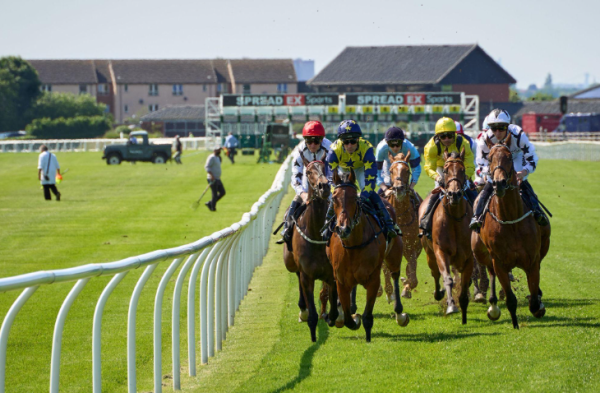
Summer is one of the busiest periods on the American horse racing calendar. From marquee meets in New York and California to strong regional racing programs in Iowa, Illinois, and Kentucky, bettors have opportunities to follow competitive racing nearly every week. Understanding how each meet develops over the season provides useful context beyond simply reviewing the day’s entries.
The 2026 calendar offers several notable events, including Saratoga’s prestigious stakes schedule, Del Mar’s summer championship meet, and Prairie Meadows’ expanded racing program featuring Thoroughbred and Quarter Horse competition.
Knowing how to evaluate these meets, identify reliable information, and recognize changing track conditions can make following the sport far more engaging and potentially rewarding.
Understand How Each Summer Meet Differs
Every racetrack develops its own personality throughout the summer. Saratoga Race Course attracts many of North America’s leading horses, trainers, and jockeys, creating deep fields where class and current form often determine the strongest contenders. Del Mar, meanwhile, combines high-quality racing with a coastal setting and regularly features important graded stakes throughout July, August, and early September.
Regional circuits deserve equal attention because they often feature consistent horse populations. Bettors who follow these meets from opening day gain familiarity with trainers, jockey combinations, and horses that return regularly throughout the season.
Rather than treating every race the same, it helps to evaluate:
- The quality of the racing circuit,
- The competitiveness of the average field,
- Whether horses are moving up or down in class,
- Which trainers traditionally perform well during that meet.
Looking at each circuit independently creates a stronger foundation for evaluating races across the entire summer schedule. This approach also helps bettors compare race cards more clearly, especially when horses ship between tracks or face different levels of competition.
Build a Weekly Handicapping Routine
Following horse racing consistently is often more valuable than examining a single race in isolation. A weekly routine allows bettors to recognize developing patterns involving trainers, jockeys, pace scenarios, and horses improving with additional starts.
One useful approach is reviewing race replays before studying the upcoming entries. Horses that encountered traffic, started slowly, or closed strongly despite unfavorable positioning frequently deserve additional attention in later starts. These details rarely appear in the basic running line.
Regional meets provide especially useful opportunities for consistent observation. For instance, during the 2026 season, Prairie Meadows operates from May through late September with Thoroughbred racing throughout the meet, and Quarter Horses joining during the summer schedule.
Many bettors regularly consult Prairie Meadows picks alongside speed figures, trainer statistics, and recent race videos to better understand how the local racing colony is developing as the season progresses. Maintaining notes throughout the meet often reveals trends that are difficult to notice from a single race card alone.
Pay Attention to Track Conditions
Track conditions influence nearly every race during the American summer. Heat, humidity, and afternoon storms can quickly change the racing surface, particularly at tracks that experience frequent rainfall. A horse that performs well on a fast dirt track may not show the same efficiency when the surface becomes wet, while others consistently improve when tracks are more moist.
Turf racing deserves equal attention because course firmness can vary throughout a meet. Some horses produce their strongest efforts on firm turf, while others are more comfortable when the course has additional give. Reviewing previous performances under similar conditions often provides useful context before comparing recent speed figures or finishing positions.
Instead of focusing only on recent finishes, consider several factors together when evaluating changing conditions:
- Previous performances on similar track surfaces,
- Running style compared with the expected pace,
- Recent weather forecasts before race day,
- Trainer statistics under different track conditions,
- Surface changes from turf to dirt when weather affects the schedule.
Combining these observations creates a more complete picture than relying on a single statistic. Many experienced bettors update their analysis after scratches and official track condition reports are released, allowing them to compare the final field with their original race expectations.
Follow Major Stakes Throughout the Season
Summer racing brings together many of the country’s most recognizable stakes races, offering bettors the opportunity to compare elite horses before the fall championship season begins. Following these events as part of a broader schedule rather than isolated races helps create a better understanding of current form and how different divisions are developing.
Saratoga hosts prestigious races such as the Whitney Stakes, Alabama Stakes, and Travers Stakes, while Del Mar features the Bing Crosby Stakes, Clement L. Hirsch Stakes, and Pacific Classic. These races frequently attract nationally prominent trainers and jockeys, creating highly competitive fields that showcase horses from multiple racing circuits.
Beyond the headline events, the supporting stakes on the same race cards often provide valuable insight into emerging horses and developing rivalries. Watching how younger horses progress through allowance races before stepping into stakes company can reveal meaningful trends over several weeks rather than a single afternoon.
Following complete race cards instead of only the featured stakes also helps bettors become familiar with trainers enjoying particularly productive meets. Those patterns often continue across multiple race weekends, providing valuable context as the summer calendar reaches its busiest period.
Use Reliable Data Before Every Race
Successful race analysis begins with dependable information rather than assumptions. The best handicapping decisions come from combining official data with careful observation throughout the meet. Reviewing entries shortly after they are released provides an early overview, but the final picture often becomes clearer as scratches, rider changes, and weather updates are announced closer to post time.
Official racing organizations and established industry publications continue to expand their digital resources during the 2026 season. Equibase offers comprehensive past performances and results, while track websites publish entries, condition books, workout reports, and late changes. These resources help bettors stay informed with verified information instead of relying on speculation.
Before analyzing a race card, many experienced bettors review several key resources:
- Official entries and scratches,
- Recent workout reports,
- Trainer and jockey statistics,
- Track condition updates,
- Past performance charts and replay videos.
Using multiple trusted sources creates a more complete understanding of each race. Over time, comparing these pieces of information establishes a consistent handicapping routine that remains useful throughout the busy summer calendar, regardless of which track hosts the day’s racing.
Make the Most of the 2026 Summer Season
American summer horse racing offers far more than a series of individual race days. Each meet develops its own story as horses improve, trainers adjust their campaigns, and major stakes races shape the national racing picture. Bettors who follow these developments throughout the season gain a deeper appreciation for how different circuits contribute to the sport.
Whether focusing on nationally recognized meets like Saratoga and Del Mar or following strong regional programs such as Prairie Meadows, a consistent approach makes every race card more informative.
Studying track conditions, monitoring trainer trends, reviewing official data, and keeping pace with the season’s leading stakes creates a well-rounded understanding of summer racing.
As the 2026 calendar progresses, these habits provide valuable context for every race while making the sport more engaging from opening day through the final weeks of the summer meet.