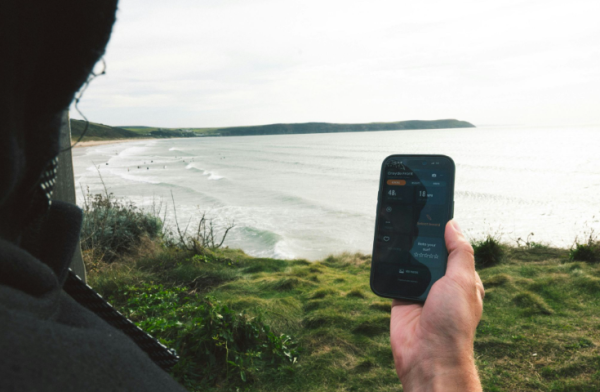
In a beach town, leisure still feels rooted in place. The morning surf, the familiar café, the school game, the local bar, the restaurant everyone returns to without needing to discuss it too much. These are not just activities. They are part of the local rhythm. But the rhythm has widened. After the beach, after work, or after dinner, people often move into a quieter kind of downtime. A film, a game, local news, or an online platform that fits the mood without requiring another trip out. Coastal communities have not traded real life for screens. They have simply made room for both.
The Beach Is Still There, But So Is the Phone
Nobody living near the coast needs to be told that real life is better than scrolling. But the phone is part of how people move through the day now. It is how they check the surf report, look up a menu, find a show, book a class, message friends, follow local news, or kill twenty minutes before the next thing starts.
Local surf culture still shapes community life, including the way the South Bay Boardriders Club continues to expand its programs through surf contests, youth involvement, women’s water programs, public art, and historical preservation. That is the right balance. The beach and local community are still the centre of the lifestyle, but digital tools now help people organise and fill the spaces around it. That is true for entertainment too.
The Problem Is Not Lack of Choice
The internet has no shortage of things to do. The problem is that too many options start to feel the same. Every platform claims to be easy, different, and worth your time, but the user still ends up opening tabs, comparing names, and reading half-useful reviews. It is a familiar frustration. You sit down for a quiet evening and spend half of it deciding what the evening is supposed to be. That is not leisure. That is admin with better lighting.
This is why discovery tools are starting to matter more. People do not necessarily want someone else to choose for them. They just want help sorting the noise, and resources such as PlayCompass can help. For users looking at online entertainment options, a clearer comparison point can make the process feel less like guesswork and more like an informed choice. It is not about turning entertainment into homework. It is about avoiding the wrong fit before you waste time on it.
Local People Understand Trust
In community-minded places, trust still has a human shape. You hear about a restaurant from a neighbour, ask which mechanic someone uses, and know which local events are worth showing up for because people talk. Online, that is harder. You do not always know who is behind a platform, whether the information is complete, or whether the terms are clear. So people have become more cautious, even with entertainment. That is not paranoia. It is common sense in a crowded internet.
A Good Platform Should Not Make You Work Too Hard
If a platform is confusing from the start, that usually tells you something. If the basic information is hard to find, that tells you something too. If every page feels like it is pushing you forward without explaining enough, it is fair to pause. Smart users tend to check a few simple things before spending real time on a platform:
- Can I understand what this site actually offers?
- Are the terms easy to find?
- Does the information feel clear or vague?
- Are there reviews, guides, or comparison resources?
That last question is bigger than it sounds. A lot of online platforms seem designed to keep people clicking, not to help them choose well. The better ones explain themselves, make the next step obvious, and do not bury the useful details.
Coastal Leisure Has Its Own Pace
Every place has its own rhythm. Coastal towns especially. There are early mornings, school traffic, work calls, surf checks, weekend crowds, parking problems, quick coffees, late dinners, and the strange calm that comes after the beach empties out. Digital entertainment fits into those gaps, not because people have given up on local life, but because people still need easy ways to relax when the day slows down.
This report gives a useful picture of how people in the UK use digital devices, online platforms, and connected services in everyday life. The details are from the UK rather than California, but the wider point still travels: digital leisure now sits inside ordinary routines, not outside them.
That might mean streaming something after dinner. It might mean joining an online game. It might mean reading local news. It might mean comparing entertainment platforms before trying something new.
Better Choices, Less Noise
Leisure in coastal communities will stay mixed. The beach, local events, and familiar places will still matter, while digital entertainment fills the quieter gaps around them. That means people need better filters, not more noise. Clearer information, better discovery, and more confidence before clicking in. In a place where people already know how to choose the right tide, table, event, or route home, that feels natural enough.