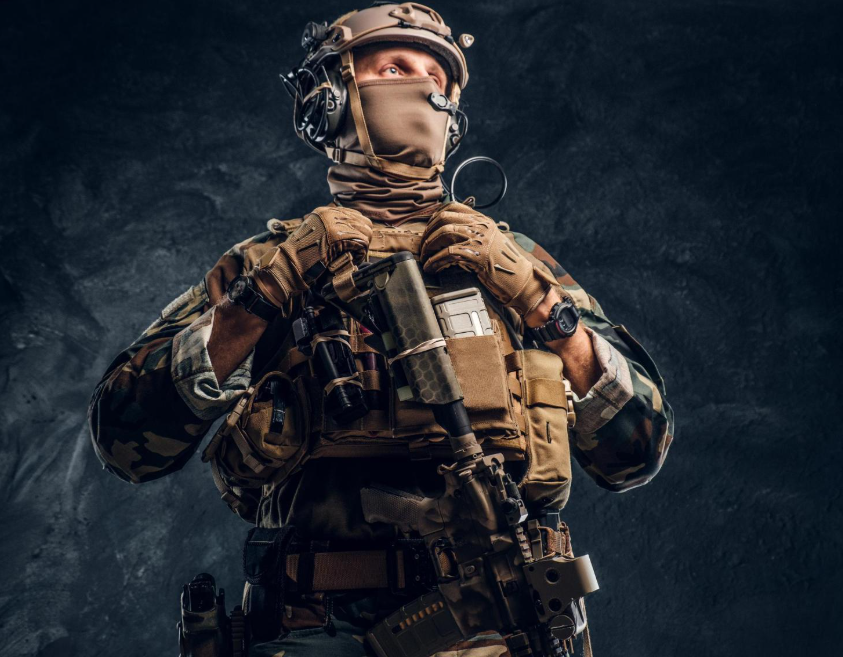
Body armor has long been associated with military operations, designed for environments where protection against ballistic threats is essential. Over time, however, its role has expanded far beyond the battlefield. Advances in materials, manufacturing, and design have reshaped how protective equipment is used, making it relevant across a wider range of professions and, in certain cases, civilian contexts.
This shift is not simply about accessibility. It reflects a broader change in how safety and risk are understood in modern environments.
A Foundation in Military Innovation
The origins of modern body armor are rooted in military research, where the objective was clear: provide reliable protection in high-risk situations. Early designs prioritised durability and resistance, often at the expense of weight and mobility.
Over time, these limitations became more apparent. Equipment that restricted movement could reduce effectiveness in the field, leading to a shift toward more balanced solutions. Military research began focusing not only on protection levels, but also on how armor interacted with the body in motion.
This transition laid the groundwork for many of the innovations seen today, including lighter materials, ergonomic carriers, and modular systems that allow for greater adaptability.
Transitioning Into Law Enforcement and Security
As body armor advanced, it expanded into law enforcement and private security, where requirements differ from military use. Equipment needed to be worn for long periods while remaining low-profile and unobtrusive.
This shift led to more flexible and concealable designs, prioritising comfort and mobility over bulk. In these settings, protection is only part of the equation, ease of movement, responsiveness, and day-to-day usability are equally important.
Expanding Civilian Awareness
In recent years, awareness of personal safety has increased across a variety of civilian contexts. While body armor is not commonly used in everyday life, there is growing interest in understanding available protective options, particularly in professions or environments where exposure to risk may be higher.
This does not suggest widespread adoption, but rather a shift in awareness. Individuals are becoming more informed about the tools and technologies that exist, even if they are not regularly used. Equipment such as a kevlar vest represents one category of protective solution, known for combining flexibility with ballistic resistance. Its relevance lies not only in its protective properties, but in how it reflects the evolution of materials designed to support both safety and mobility.
Material Advancements Driving Accessibility
One of the key factors enabling this expansion is material innovation. High-performance fibres, composite structures, and improved manufacturing processes have made it possible to reduce weight while maintaining protective capabilities.
This has a direct impact on usability. Lighter equipment is easier to wear for longer periods, making it more practical across a range of settings. Improved flexibility also allows for better integration with other gear, supporting a more cohesive approach to personal protection.
As a result, body armor is no longer confined to specialised use cases. It is becoming part of a broader conversation about how individuals and organisations manage risk.
Balancing Protection and Practical Use
As body armor becomes more widely discussed, an important consideration is how it fits into real-world use. Protection must be balanced with practicality.
Higher levels of protection often involve additional materials, which can increase weight and reduce flexibility. For this reason, modern systems are often designed with modularity in mind, allowing users to adjust configurations based on specific needs.
This approach reflects a move away from one-size-fits-all solutions. Instead, equipment is tailored to different environments, ensuring that protection aligns with the demands of the situation.
Standards and Reliability
With increased accessibility comes a greater need for clear standards. Users must be able to trust that protective equipment performs as expected.
In the United States, organisations such as the National Institute of Justice establish guidelines for testing and certification. These standards define how body armor should perform under specific conditions, providing a benchmark for both manufacturers and users.
Adherence to these standards is essential, ensuring that performance claims are supported by consistent testing and verification.
The Role of Design in Modern Use
Design has become a central factor in how body armor is used today. Beyond materials and protection levels, attention is given to fit, weight distribution, and overall ergonomics.
Features such as adjustable carriers, ventilation systems, and flexible panels contribute to a more comfortable experience. This is particularly important for users who need to wear armor for extended periods.
By focusing on design, manufacturers are addressing not just the physical demands of protection, but also the practical realities of daily use.
A Broader Shift in Perspective
The expanding role of body armor reflects a shift in how safety is approached. Protection is no longer limited to specific professions or extreme scenarios, but part of a wider conversation around preparedness and awareness.
This does not suggest everyday use, but rather a growing understanding of how different tools and technologies contribute to safety across contexts. From its military origins to broader adoption, body armor has evolved through advances in materials, design, and usability.
As this landscape continues to develop, the focus remains on balance, ensuring protection, mobility, and practicality work together. In that sense, modern body armor reflects not just technological progress, but a changing perspective on safety itself.