New investors often lose money for surprisingly simple reasons. Here is where mistakes usually are and how to use technology as a useful safeguard.

People have an ideal image in their minds when they invest in a stock for the first time. You open an account, buy shares in a company everyone is talking about, and watch wealth accumulate in the background while you get on with life. The reality is not that smooth.
Markets are volatile. Recessions, geopolitical shocks, and interest-rate decisions all move prices in this ecosystem. For most beginners, the greatest danger is not the volatility but themselves, because investing is one tap away on a smartphone. Information arrives instantly, opinions are formed, and unfortunately, poor decisions like good ones can turn into action very quickly.
The encouraging part is that modern investing software is trying to solve this problem created by human nature.
Why FOMO Creates Costly Investing Mistakes
Many beginner mistakes begin with urgency. Once a stock climbs sharply, it suddenly makes headlines everywhere. Social media starts producing overnight experts. Before long, the fear of missing out begins whispering that everybody else seems to be getting rich.
At this point, reason leaves the room.
One thing beginners must be aware of is that popularity and quality are not interchangeable. A company may be excellent and still be priced low. Conversely, popularity can create excitement without real long-term value.
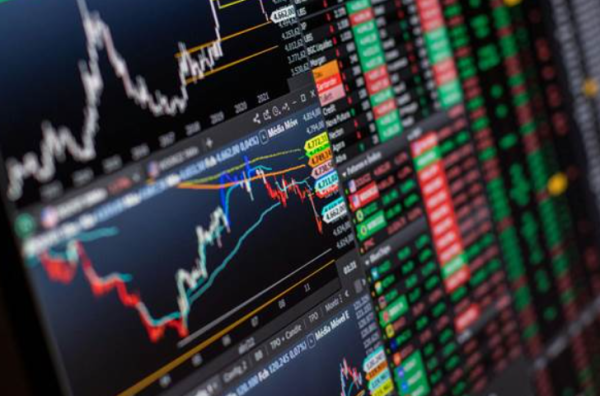
This is where modern investing software can be utilized like a cautious financial companion.TradingView is a good example of such software. The platform offers research tools, risk indicators, volatility and price alerts, advanced charting systems, and real-time market monitoring across equities, forex, commodities, and cryptocurrencies. Rather than encouraging instant action, these tools can help lengthen the decision-making process. Features such as alerts and watchlists create a moment of pause before a purchase is made, because the difference between a thoughtful decision and an emotional one is often only a few minutes.
Activity Is Not the Same as Progress
There is also a curious belief among inexperienced investors that successful investing requires constant activity. Checking portfolios several times a day, buying and selling regularly, creates a sense of control. Waiting through ups and downs may feel uncomfortable.
Yet professional investors understand that not every market movement deserves a response. Modern software has started addressing this tendency through automation.
Regular investing schedules now allow users to contribute fixed amounts automatically rather than trying to identify the perfect moment to enter markets. Portfolio rebalancing tools make adjustments behind the scenes. Goal-tracking systems shift attention away from daily price movements toward long-term objectives.
Diversification Is Better Than It Sounds
Diversification suffers from a branding problem among investors. Few people become excited about owning a balanced collection of assets spread across different sectors and regions.
Investing in one or two promising stocks is more exciting because the winning potential seems higher. Many inexperienced investors put their savings into a business they know well from work or daily life. Only later do they discover that many of those investments depend on the same market dynamics.
When conditions become difficult, a diversified portfolio might save investors from huge losses even though the gains are smaller when the market is calm.
Modern investment software can help diversify portfolios by providing charts that show portfolio concentration, sector exposure, and geographical allocation. Seeing what percentage of your investments depends on specific industries may reveal how much of the same thing you accidentally own, allowing you to adjust your portfolio before the imbalance becomes a larger problem.
Information Is Everywhere but Understanding Is Limited
The internet has solved a big problem for new investors. People now have access to more information than previous generations could have imagined. Unfortunately, they also face an endless stream of commentary, predictions, and opinions competing for attention.
This creates an illusion of knowledge. Watching several short videos about a company does not necessarily mean understanding how that company makes money. Reading optimistic social media posts does not qualify as research.
Investment platforms are attempting to cut through the noise with educational material that includes plain-language summaries of companies, educational courses, explanations of financial terminology, and risk assessments alongside investment choices.
The Best Investing Habit Is Avoiding Obvious Mistakes
There remains an assumption that investing success comes from brilliance. The perfect stock choice. The flawless prediction. The extraordinary insight nobody else noticed.
In practice, successful investing involves patience and consistency. Most importantly, it involves avoiding predictable mistakes.
Technology is not a substitute for judgment. It cannot eliminate risk, and it certainly cannot guarantee returns.
But the best investing platforms help people think more carefully before placing orders. Risk analysis tools can show potential scenarios before decisions are made. Portfolio reminders can reinforce long-term plans. Historical data can provide perspective during periods of volatility.
A good software does not tell investors what to do; it simply stops them from doing something they may regret. For beginners, that may be the most useful innovation.