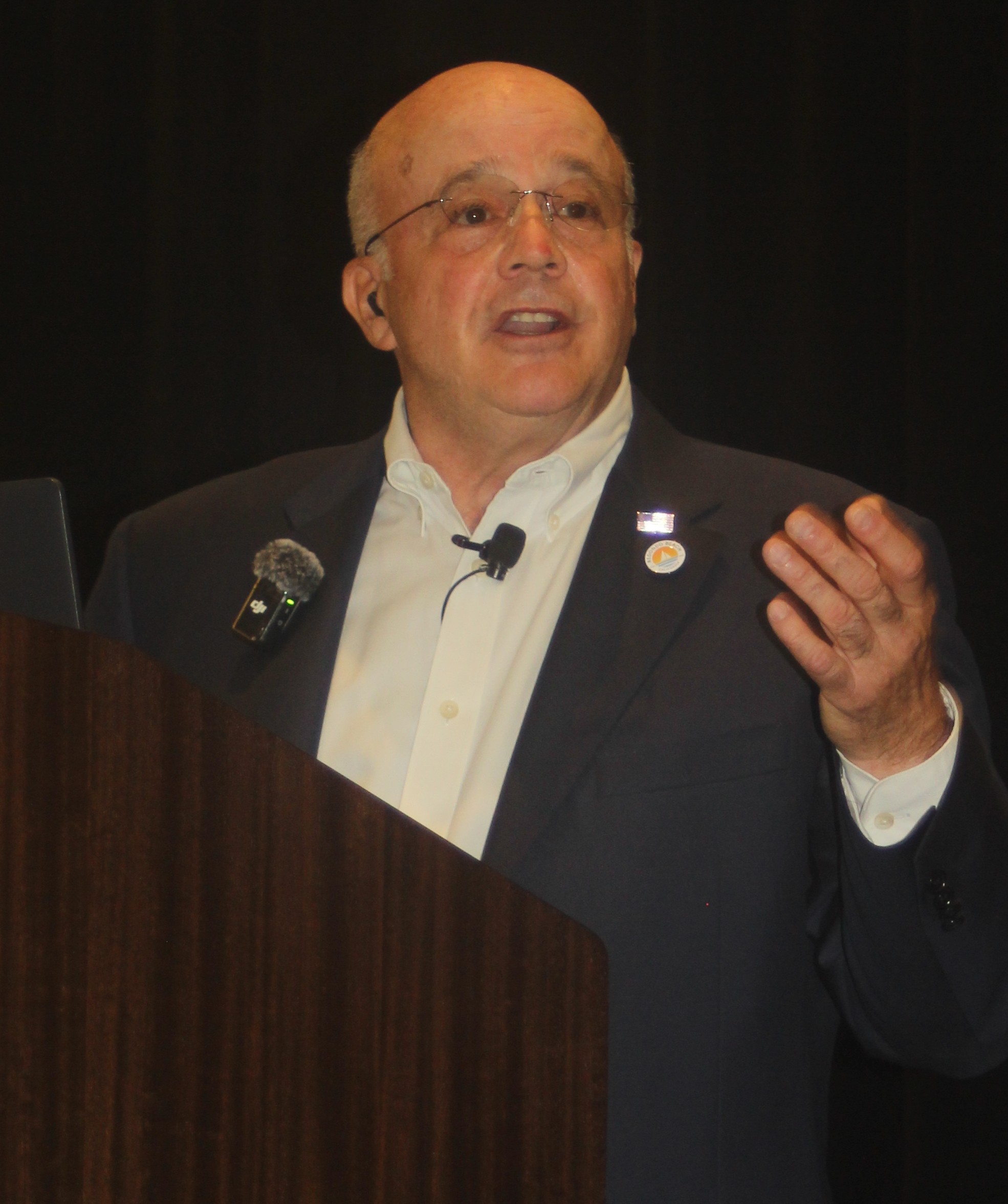
The year-end deadline for the City of Redondo Beach and CenterCal Properties to come to an agreement regarding leases for the Pier and Harbor area is fast approaching. But according to Mayor Steve Aspel, city staff and CenterCal still need to draw up an agreement that seems equitable for both sides, as concerns about current proposals may leave the City holding the bag while CenterCal walks away from the development.
“I have grave concerns about this option…we feel we can trust everyone right now, but an option is an option,” Aspel said.
On Tuesday night, the Council received a report regarding the Agreement for Lease of Property and Infrastructure Financing (ALPIF) for CenterCal’s Waterfront: Redondo Beach revitalization project.
The project would redevelop 36 acres of Redondo’s waterfront property within King Harbor, covering the area west of Harbor Drive and south of Portofino Way to Torrance Boulevard. The estimated $400 million project would resulting in 523,939 square feet of development, 312,289 square feet of which would be new development. Nineteen new buildings would be added, including a market hall, a movie theater and a 45-foot-tall parking garage; Seaside Lagoon would also be redesigned, creating a beach open to harbor waters.
The agreement, as designed, would “bridge the time period between City Council approval and the execution of various leases and agreements,” according to staff reports. It requires all land use approvals, construction and insurance contracts, financing plans, title issues, and relocation plans or lease terminations for existing tenants be resolved and secured before leases are executed.
Rental terms are outlined in the agreement as well: The City would get a minimum of $250,000 per year, beginning two years after the leases are executed. After 30 years, minimum rent would increase to $1 million per year.
The City would also receive percentage rent; once CenterCal begins receiving a nine percent annual return on their costs for the Waterfront project, the City will get 10 percent of profits.
The ALPIF also codifies the proposed uses and developments for the site, setting the roles and responsibilities for public improvements between the City and CenterCal. It also sets conditions under which developer rights may be transferred or sold.
That was among the key sticking points for members of the City Council.
The ALPIF, as it was presented to Council, would codify that the project would be done in two phases. Phase One would consist of the northern end of the project, from Portofino Way to the northern end of the International Boardwalk, including the northern parking structure, Seaside Lagoon and the Sportfishing Pier. Phase Two would reach from the Boardwalk going south, including the Redondo Pier and the south parking structure.
But a option proposed in the lease would allow for CenterCal to choose against building Phase Two of the project. Under the agreement, CenterCal has six months to decide whether or not to build Phase Two once the City has secured all of the outstanding leases. If CenterCal decides against doing so, their rent would increase to $500,000 for the first 30 years before escalating to $1 million in year 31.
According to city staff, three businesses have outstanding leases that could hold up the potential Phase Two build: Naja’s Place; Quality Seafood; and the Redondo Fun Factory.
“We had to structure a deal to allow us to evaluate the worst-case scenario,” said Assistant City Manager Mike Witznansky. “One where we are not able to reach earlier arrangements with those leaseholders and have to allow those to sunset or expire.”
The Fun Factory lease doesn’t expire until 2027, and it sits in the heart of the Phase 2 project space. Without that leasehold, neither CenterCal’s boutique hotel nor a rebuild of the south parking structure would be able to happen.
“A reason they’re unwilling to commit to the South Phase is that, 10 years from now, they don’t know what the lending market will be like,” Witznansky said. “If we’re able to deliver the project tomorrow, or next year, they’d obligate themselves to constructing the south immediately.”
Martin Holmes, of Rescue Our Waterfront, characterized the City as entering into a flimsy marriage with CenterCal.
“Despite the leaking roof and infrastructure upgrades necessary on the south side, we’ll go and stay in the safe room on the north side while I maximize my profits,” Holmes said. “You’re giving away the harbor and entering a horrible relationship; it’s like a divorced person who is desperate to feel like they can be a part of something.”
Rolf Strutzenberg, who is will contest Martha Barbee for the District 1 council seat in March, contends that the lease puts the city at a severe financial disadvantage.
“The numbers here don’t correlate with what inflation is going to do, and we’ll end up behind the curve for much this [even with escalators tracking the Consumer Price Index],” Strutzenberg said. “I commend staff on the work that’s gone into this, but there’s still a ways to go.”
Councilman Bill Brand agreed that the deal is a bad one for Redondo Beach. But his contention was that the project is simply too large for Redondo Beach.
“Just because 400,000 square feet of development is allowed doesn’t mean that we should build 400,000, or 350,000 square feet of additional development when there’s already 225,000 square feet of development already on the ground,” Brand said, arguing against current harbor zoning, which was passed by voters in 2010.
“What’s most important is the public’s wishes…everyone I’ve shown picture of CenterCal’s model said everything from ‘oh my God’ to ‘are you kidding me?’ We have an obligation to what the public wants,” Brand said.
Councilwoman Laura Emdee pushed back against his assertions, offering anecdotal data of her own.
“When I’ve taken people to a model of the project, of ten who went, nine people took Waterfront [supporters] signs home with them. If you’re going to use your statistic, then 90 percent of people I talk to love it,” Emdee said.
That set off an argument between the two that was only settled when Aspel put down his foot as moderator.
“I think we need some sort of major penalty…I want a penalty to be substantially more than $500,000,” Aspel said. “CenterCal has given us no reason to doubt their trust, but in case we all get washed away in a tsunami, or there’s a new owner of CenterCal or [CenterCal CEO] Fred Bruning drops dead, I want to make sure the city is protected.”
A motion to receive and file staff’s report was passed unanimously, and a public hearing to decide on the ALPIF has been set for Tuesday, Dec. 20.