by Richard Foss
I have a list that gets shorter and shorter, and I am delighted each time I cross off one of the names that is there. No, I’m not tracking the demise of my enemies – it’s the list of cuisines that I can’t get to in the Beach Cities. When I started writing these columns in 1987, you couldn’t get Chinese dumplings, regional Mexican, Spanish, Thai, Brazilian, and many others that are now among the most popular dining experiences. It’s a measure of how sophisticated the area has become, how in sync with the cosmopolitan Los Angeles dining scene.
One style of dining stubbornly remains on the list long after I expected it to be gone: traditional Korean. Yes, there are a pair of Korean seafood specialists on the Redondo Pier, but they don’t offer the most popular dishes in the cuisine, the barbecue, soups, and noodles that have become American favorites. I still have to drive inland to get these, but the drive is getting shorter as new entrepreneurs enter the market.
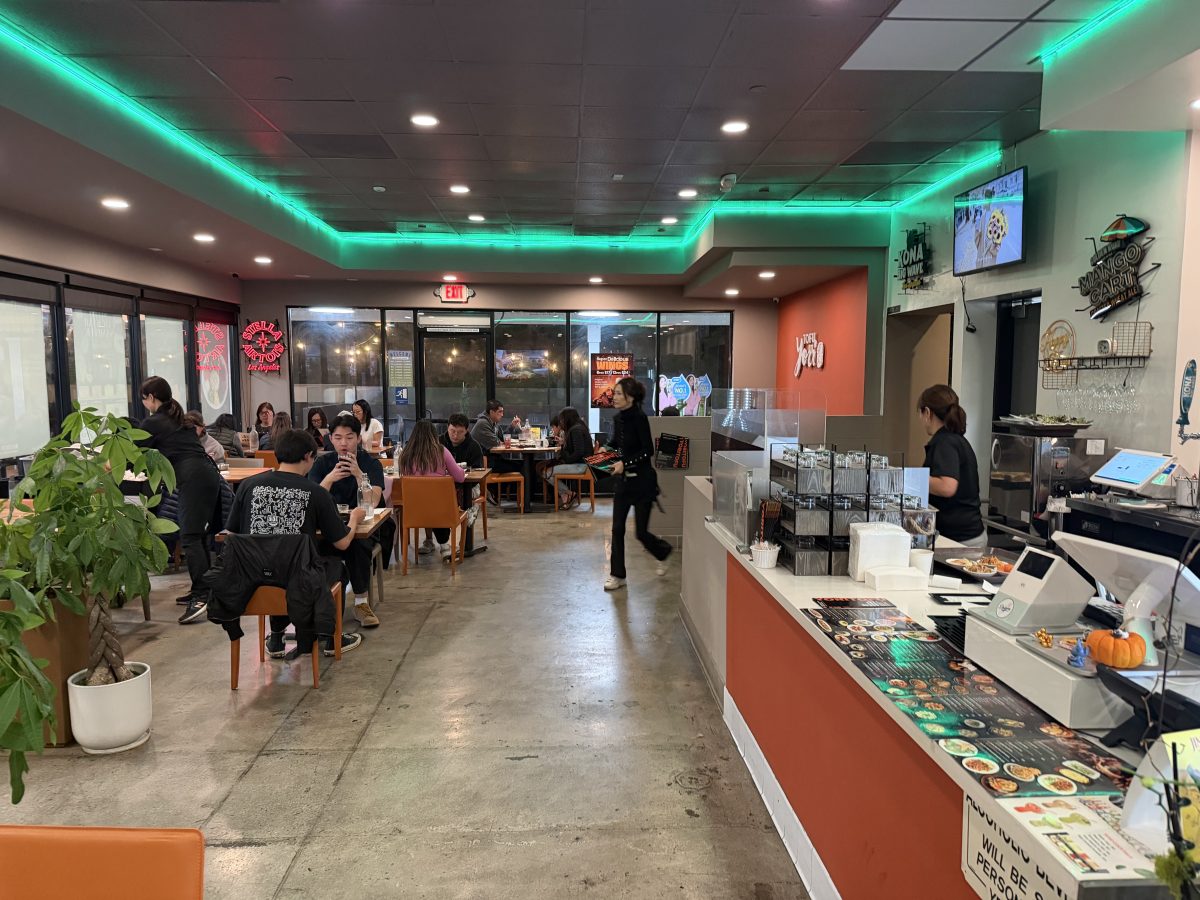
One of the most interesting of these is Yoritofu, which recently replaced a Chinese restaurant in a shopping center by the corner of Torrance Boulevard and Hawthorne. It’s in a corner with low visibility, but in the less than two months since they opened they have attracted a following in the local Korean community. They’re serving the modern version of this cuisine, which includes some eclectic items like rosti potatoes topped with arugula, mozzarella, and sundried tomato, but most items are homestyle classics. The header on the menu refers to them as a “Korean Fusion Tofu House,” but as we were to find on two visits, the flavors are true to the classics.
We were intrigued by the items under the appetizers header of the menu. But keep in mind when ordering whatever you select, it will come with the banchan of pickles and fresh salads. Even before those arrive, all diners get a small green salad with miso dressing, a fresh little start to the meal.
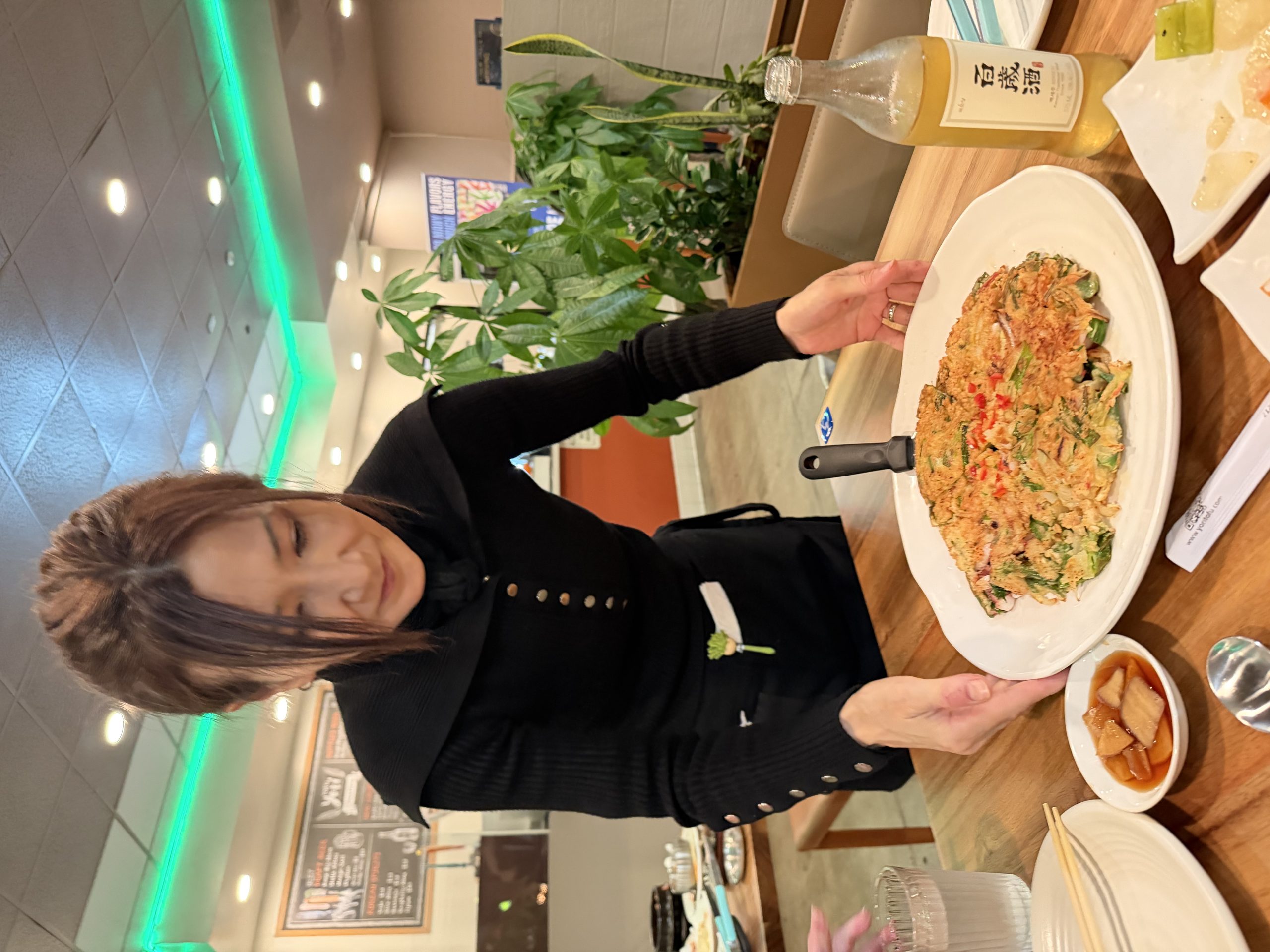
Among the appetizers we ordered a seafood scallion pancake and “crystal bite” dumplings – pork and vegetable dumplings made with potato flour rather than the usual wheat or rice flour. The potato starch makes these agreeably chewy and moist, and the mildly spiced but flavorful filling was a hit with our party. The seafood pancake was a hit too, the crisp exterior perfectly crisp with the interior almost molten. This is an item that is best eaten as soon as you can do so without burning your mouth – within a few minutes it gets soggy, but what a great few minutes those are. We also tried their salt and pepper chicken wings, which don’t appear on the menu, but which we spotted on a card on our table. Korean wings are fried twice to be extra crispy, and these were seasoned with liberal amounts of pepper and topped with jalapeno and red chillies. I’ve had hotter wings at bars, but it’s not all about heat – these had a fresher, tangier flavor. Also included in the basket were fried tteokbokki, the Korean pasta. I’m not usually a fan of these chewy overgrown noodles, but others at our table liked them.
We could have made a meal of those starters and the five-item banchan, which included pungent radish kimchi, cabbage kimchi, cucumber kimchi, chopped fishcake, and an unusual creamy celery slaw that was delicious. On our second visit the celery slaw was replaced by mild bean sprout kimchi, which we also enjoyed, and the cucumber was replaced by a mild potato, carrot, onion, and bell pepper pickle. Unlike many restaurants that serve commercial products, Yoritofu makes all of their banchan items in house, and they’re particularly proud of their aged Napa cabbage kimchi. This has a deeper, more complex flavor thanks to the additional fermentation, and is the best I’ve had in the South Bay.
Among the mains, we tried kimchi fried rice topped with beef bulgogi, grilled LA galbi, sizzling pork belly in gochujang sauce, soontofu (tofu soup in a stone bowl), grilled flounder, and spicy stir-fried squid with noodles. This reads like a greatest hits collection of Korean food except for the flounder, which isn’t wildly popular outside the expat community. Flounder is a thin fish with lots of bones, and it’s a lot of work for a moderate amount of meat. It’s very tasty fish, but if you’re not patient than you might prefer something else.
The pork belly in gochujang shows of the sweet/spicy balance that sauce is famous for – it goes very well with pork belly, cutting the inherent fattiness of that meat. I happen to like my pork belly a bit more seared than the version here, but it was still enjoyable. The galbi was also lightly caramelized, which is how many Korans prefer it, but I’m American enough to prefer a little more flavor from the grill. (If you do too, I suggest a trip to Gaia, which is nearby and also very good.)
Bulgogi is very thin sliced beef that turns leathery if even slightly overcooked, so the light touch works here, and it was delectable atop the kimchi fried rice. Frying kimchi makes it a bit milder and sweeter, so even some people who don’t enjoy it straight may be surprised at first bite.
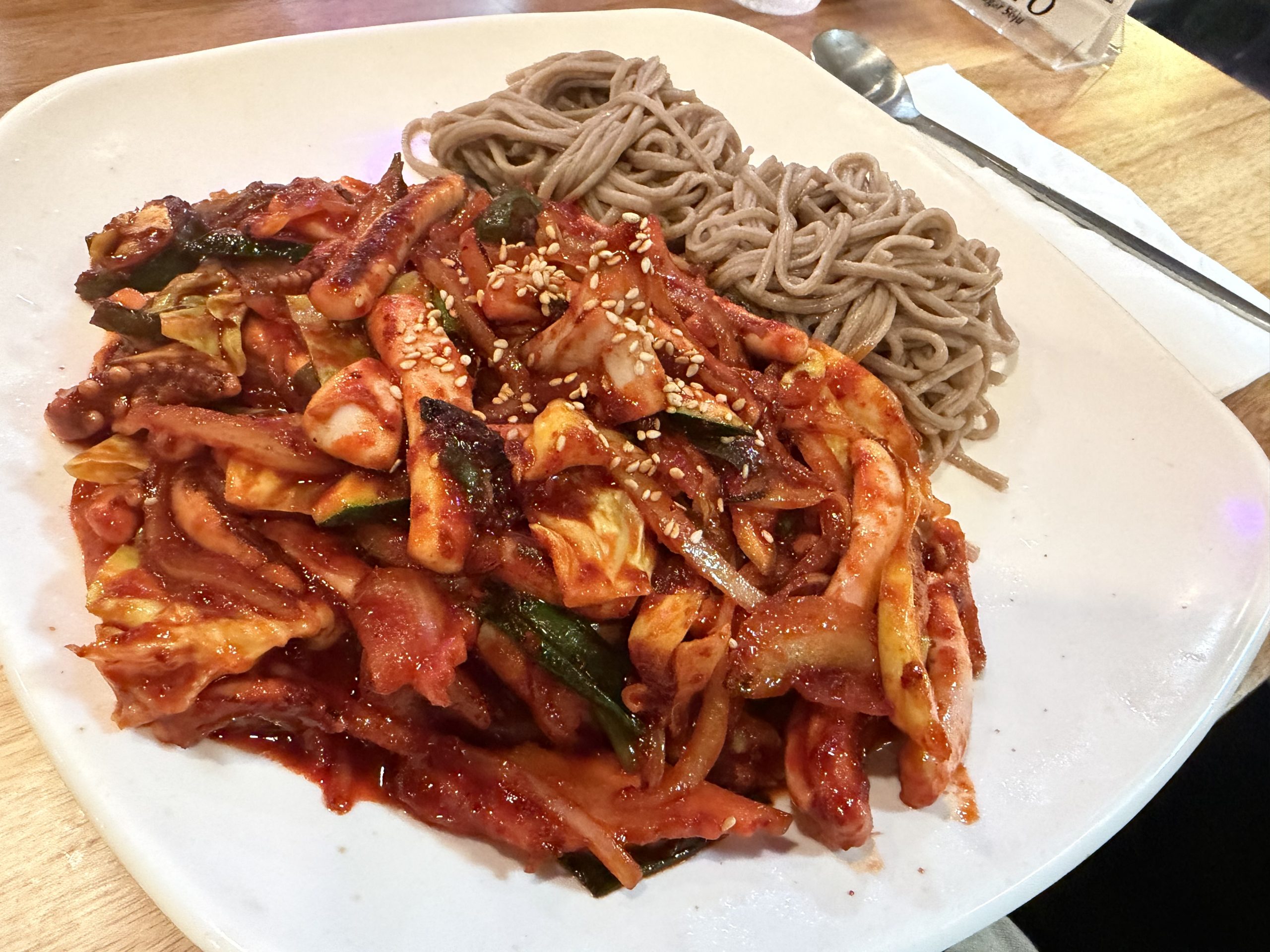
The spicy stir-fried squid with vegetables is from the Korean pub food section of the menu. Pub food has a reputation for being spicy and salty so people will drink more. That reputation is richly deserved when it comes to this dish, which was a thrill ride for the palate. I couldn’t finish it all, and that was only partly because we had over-ordered on starters. The seafood and vegetables are served with your choice of regular and acorn noodles, and I suggest you try the acorn for a taste of Native California. These were a staple of the Tongva people who once inhabited this area, and Koreans are some of the only people who still use them in their cuisine.
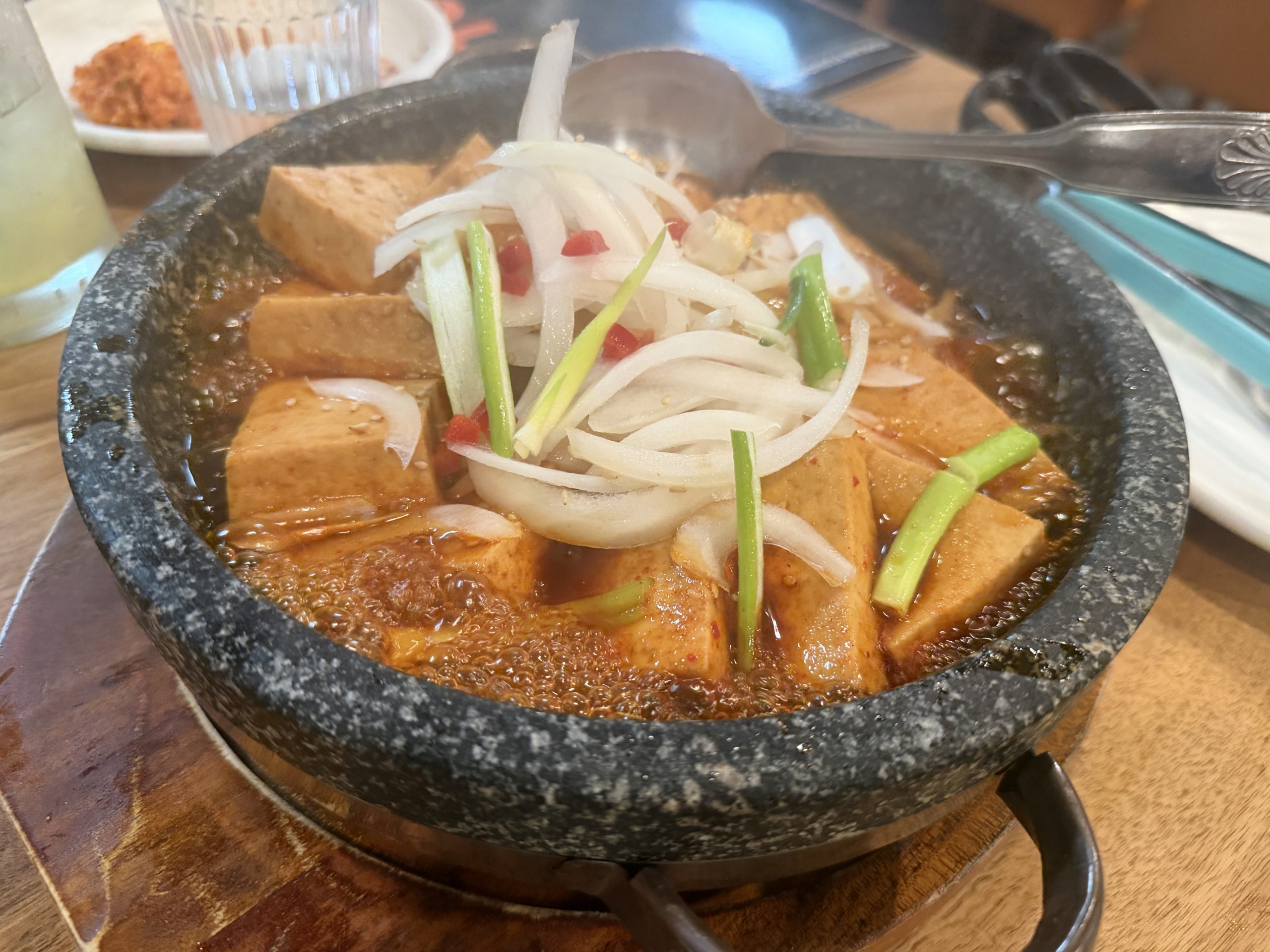
We had to order the soontofu because it’s a specialty here, and there’s a good reason for that. The pot is set to bubbling with your choice of proteins and spice levels, and then the braised tofu is added just before serving. It’s firm enough that it doesn’t disintegrate and like the lightest egg custard you’ve ever experienced, and it’s phenomenal.
To accompany your meal there is a variety of non-alcoholic drinks as well as wine, beer, soju, and other options. I recommend you try the bekseju, an herb-infused soju that is a particularly good complement to this cuisine. An old herbal medicine practitioner once gave me a long lecture about how good this is for the stomach, and whether or not it’s true, it’s a good drink.
I’m waiting for something very much like Yoritofu to open in the Beach cities, and if they prepare the cuisine this well, for anything like the modest price, I predict that it will be a hit. Until then, I’m likely to be a regular at this outpost of one of Asia’s great cuisines.
Yoritofu is at 21209 Hawthorne Boulevard. Hawthorne Boulevard Suite B, next to Starbucks. Opens 11 a.m. daily, closes midnight Mo-Sa, 10 p.m. Su. Parking lot, wheelchair access good, noise level moderate, many vegan choices. Phone 310-357-5275, website at yoritofu.com.