
by Kevin Cody
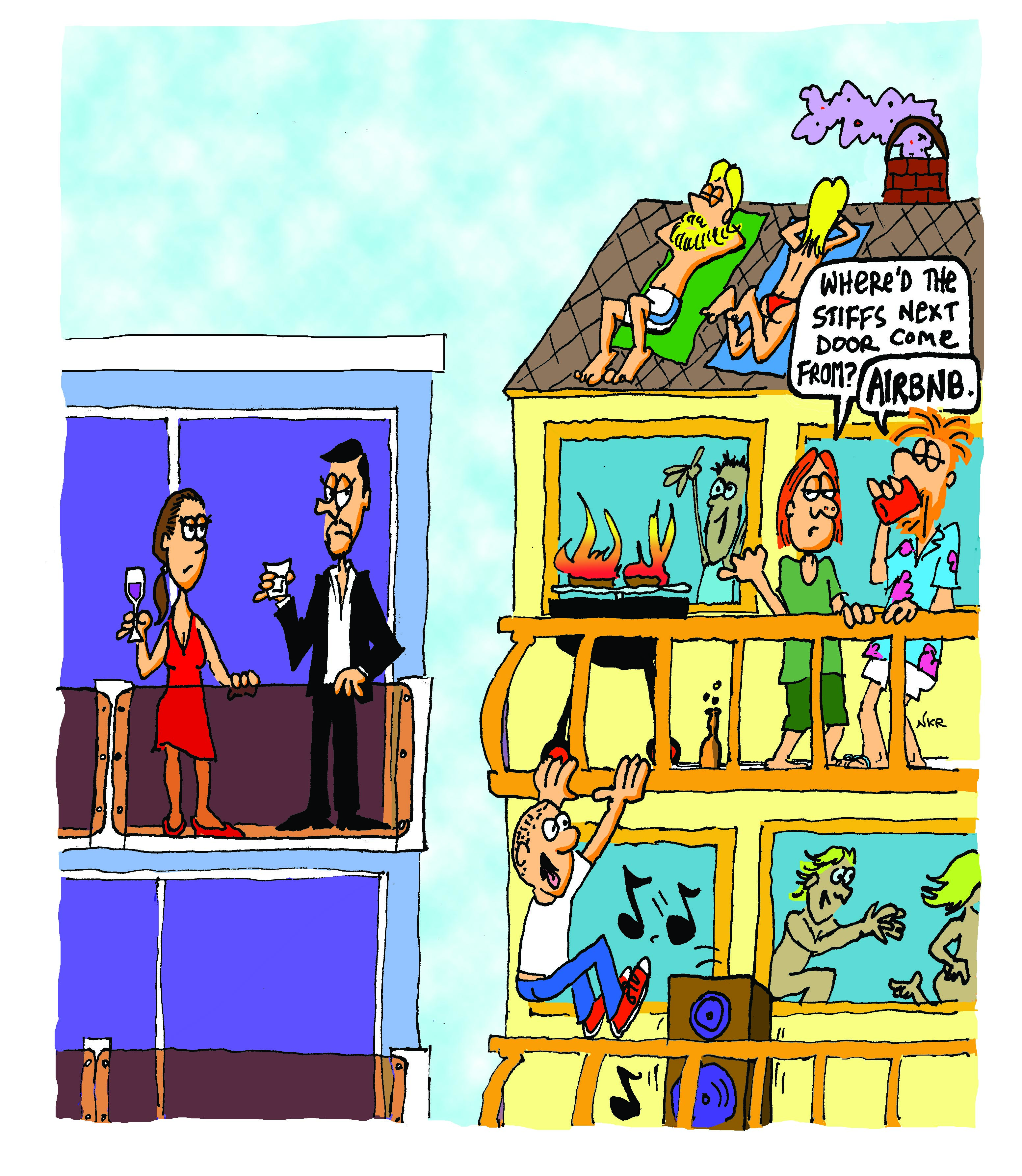
Hermosa Beach’s loss of a Short Term Rental (STR) lawsuit last week, Koerner v. Hermosa Beach, could, ironically, provide a financial windfall sufficient for the city to close its budget deficit.
At the March 24 City Council meeting, just two days prior to the ruling, Hermosa Finance Manager Henry Chao told the City Council it faces a $548,007 budget shortfall this year.
Resident Todd Koerner sued the city for fining him $2,500 for advertising a one bedroom STR in his Hermosa Beach home, as he had since 2012. Koerner suffers from multiple sclerosis and is unable to work.
Hermosa Beach banned STRs in 2016, except for non conforming residential units in its commercial districts.
In last week’s ruling, Los Angeles Superior Court Judge James Chalfant found Hermosa’s ban on residential neighborhood STRs in the Coastal Zone to be illegal because the City does not have a Coastal Commission permit for the ban.
The Coastal Zone extends 1,000 yards inland from the mean high tide, or roughly to the Valley/Ardmore Greenbelt. It represents nearly half of Hermosa’s 1.4 square miles.
The ruling requires the City to refund Koerner’s $2,500 fine, and prohibits the City from fining other STR owners in the Coastal Zone.
Since adopting the STR ordinance in 2016, Hermosa Beach has issued only nine STR permits, which cost $1,500 annually, according to a staff report to the City Council last September. STRs must also pay the City’s 14% Transient Occupancy Tax (TOT), which amounted to $189,000 in the last fiscal year, according to the September 2025 staff report.
Despite Hermosa’s few registered STRs, STR web sites show over 200 advertised STRs in Hermosa’s Coastal zone.
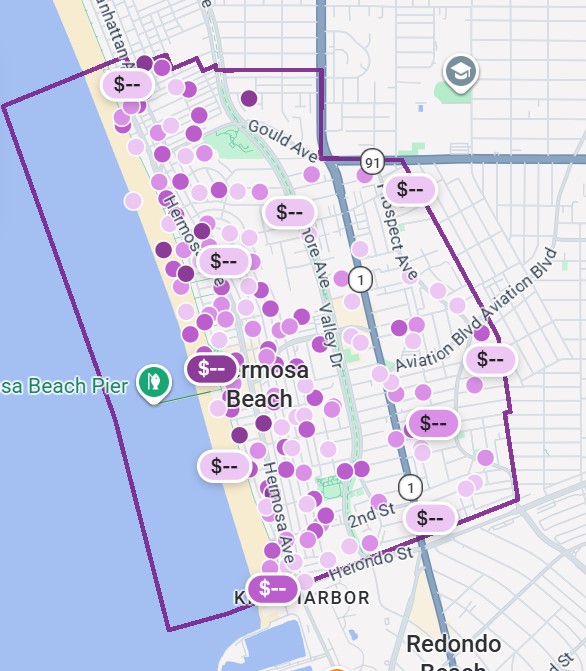
Using the City Staff’s September 2025 numbers as a basis, if Hermosa registered the 200-plus STRs that are advertised, the TOT revenue would be approximately $600,000 annually.
Manhattan Beach prohibited STRs in its Coastal Zone until after 2019, when Judge Chalfant found, in Keen V. Manhattan Beach, that its ban was illegal for the same reason he would find Hermosa’s ban illegal last week.
Manhattan Beach spent approximately $1 million in unsuccessfully appealing its STR case, up to the California Supreme Court.
During its last fiscal year, Manhattan received $1.7 million in TOT revenue from 191 registered STRs in its Coastal Zone.
Hermosa Beach officials have yet to indicate if they will appeal Judge Chalfant’s ruling.
Hermosa Beach Councilmember Michael Keegan said, following the ruling, he had opposed challenging the case.
“I thought it was a bad case from the beginning, but my fellow Councilmembers disagreed with me. We should begin collecting the TOT. We have $100 million in unfunded Capital Improvement Projects (CIPs),” Keegan said.
The CIP schedule does not include over $100 million needed to repair or replace the Hermosa Pier, which Public Works Director Joseph SanClemente reported to the Council at the March 24 meeting.
Efforts to reach Mayor Michael Detoy and City Manager Steve Napolitano to ask their opinion on the Koerner ruling were unsuccessful.

Attorney Frank Angel was the plaintiffs’ attorney in both the Koerner v. Hermosa Beach and Keene v. Manhattan Beach cases.
In both cases, he made the same argument — the cities can’t ban STRs in the Coastal Zone without Coastal Commission approval.
Regardless of whether or not Hermosa Council votes to appeal the Koerner case, it appears prepared to collect TOT revenue from the 200-plus STRs currently advertised in the Coastal Zone.
During last Tuesday’s City Council meeting, the Council amended the TOT ordinance by deleting the words “permitted” before the words “short term rental.”
The deletion paves the way to require all STRs to pay the 14% TOT, whether or not they are registered with the city. ER




Surely Jackson could do something for once for Hermosa. As he sits on the Coastal Commission he could give the City permission for the ban.
City of Torrance mandate Airbnb to collect transient taxes on all listings. I don’t see why the rest of South Bay doesn’t do the same thing.