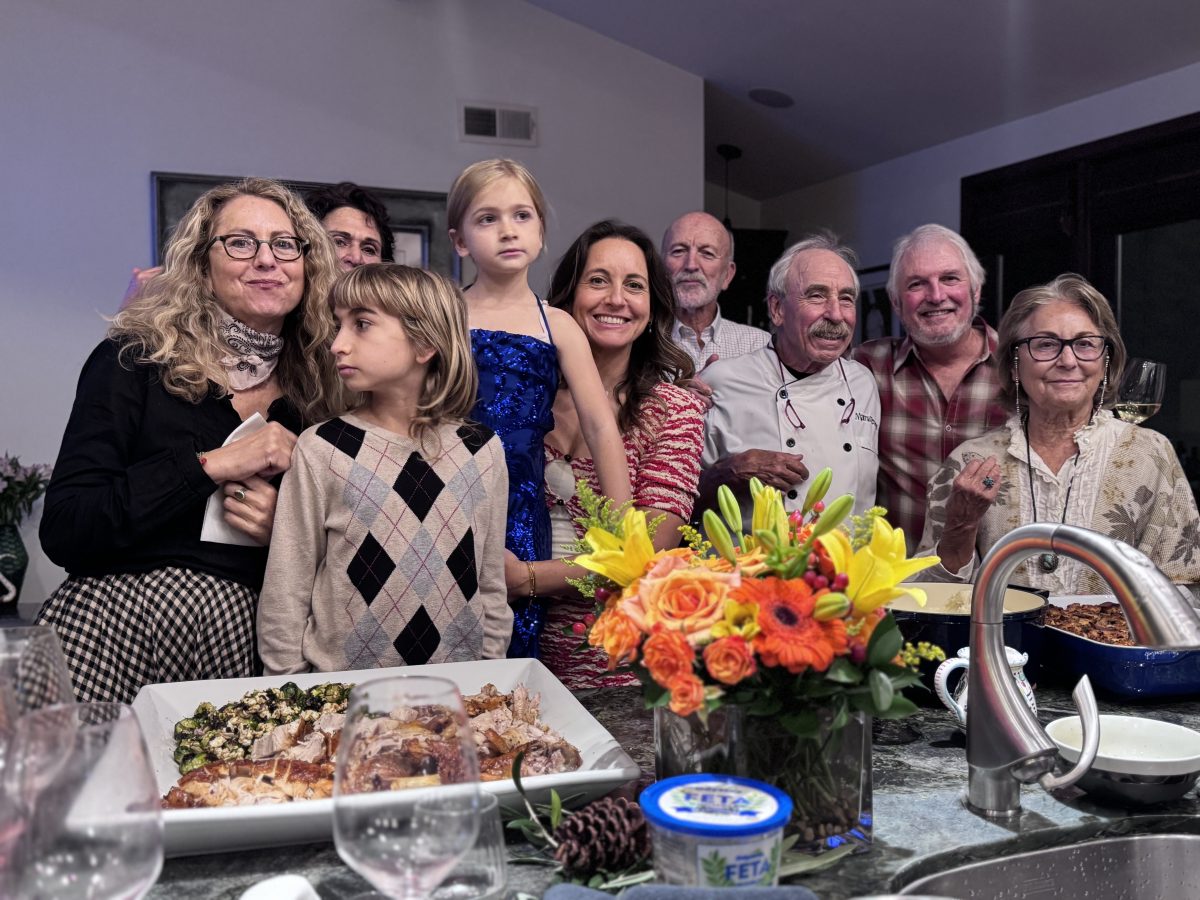
by Chef Bell
Some of my most memorable moments growing up are at the dinner table on Sundays and holidays without extended family.
As a child I was intrigued by the adult conversations. They became part of my early education.
Through my very young and adolescent years my parents, my two sisters and I had dinner together at the kitchen table every single day at 5:30 pm. If you were not there you had better have a very good reason.
The men and women who will run our cities, states and country in the future are the children at our dining tables today. Parents shape these future leaders, and it begins while having dinner together. These kids will become teachers, doctors, entertainers, writers, scientists and parents.
My Mom spoke often about the food she served at the dinner table. She gave her opinion about food that was good for your health and was very adamant about the foods that were not. She definitely shaped my thinking about health and nutrition. As an adult and a chef, I am very happy she did.
While a family has dinner together, a culture is built. A family culture is a culmination of conversations and relationships. Sitting together as a family should become a ritual during which each member of the family has a chance to speak his or her piece. Say what is on your mind, ask questions, get opinions, invite all to participate.
Family life requires compromise; compromises create strong family bonds. The dining room is a great place for getting those feelings formed.
No one should be criticized for what they say. Kids are gullible and learn a lot from their friends and the media. They believe most of what they hear. You can redirect their thoughts with encouragement. Help them create ideas and learn to speak about them. If the ideas get out of line, parents then should redirect the conversation back to its correct direction.
This is not the time for parents to have their own discussion as the kids listen. It is family time. Simple ideas about the meal you have in front of you, or maybe the next meal in the planning can be discussed. What is good and bad in your child’s diet is a good topic.
When time allows, get the kids involved in helping make dinner. It can start outside, in the garden. Have the kids grow something they like and will enjoy eating.
Think about all the topics a kid can learn about when planting, harvesting, cooking and eating something they love.
Children will need to think about the seed, the soil, nutrition, weather, the seasons, pests, harvest, preparation, cooking, aroma and taste.
I believe this involvement will get your kids thinking about what is good for them and hopefully care about their own nutrition. This is the time to show the kids that food matters. It is fuel. Every part of our body, including the brain functions on how good the food we give it is.
Imagine with the participation of growing food and cooking it, the interest created and knowledge acquired about the food choices they will make. The more involved they are, the more likely they will enjoy the food in front of them.
Another positive way to continue building family culture is to periodically invite an extended family member or two for dinner, especially grandparents. Generally, kids have a special respect for their grandparents and enjoy their company. They also bring new ideas and thoughts of discussion to the table.
Some topics, [depending on age] may be a bit difficult to discuss for the grandparents and should be left for the parents. Issues like sex, politics, gender, and religion are hot topics right now and you should be ready to discuss your viewpoint.
One of the first places a child will look for answers is from the media. The answers may not follow your family’s culture or beliefs.
When parents disagree on a subject, the kids have no direction to follow. Parents should agree to disagree on a subject, and have one answer going forward so your child does as well.
This is a lot of hoopla, considering a family meal only takes 20 to 30 minutes. Make every minute count. This will be a long road and will require compromise, patience and commitment.
It will bond the family and bring you much joy.
Jane Waldfogel, a Professor at Columbia University, wrote in her book “What children need?” “Youths who ate dinner with their parents at least five times a week did better across a range of outcomes; They were less likely to smoke, to drink, to use marijuana, to have been in a serious fight, to have had sex, or to have been suspended from school.”
Sounds as though, worth the effort. ER